The Secret Timing Tricks That Make Content Go Viral Every Time
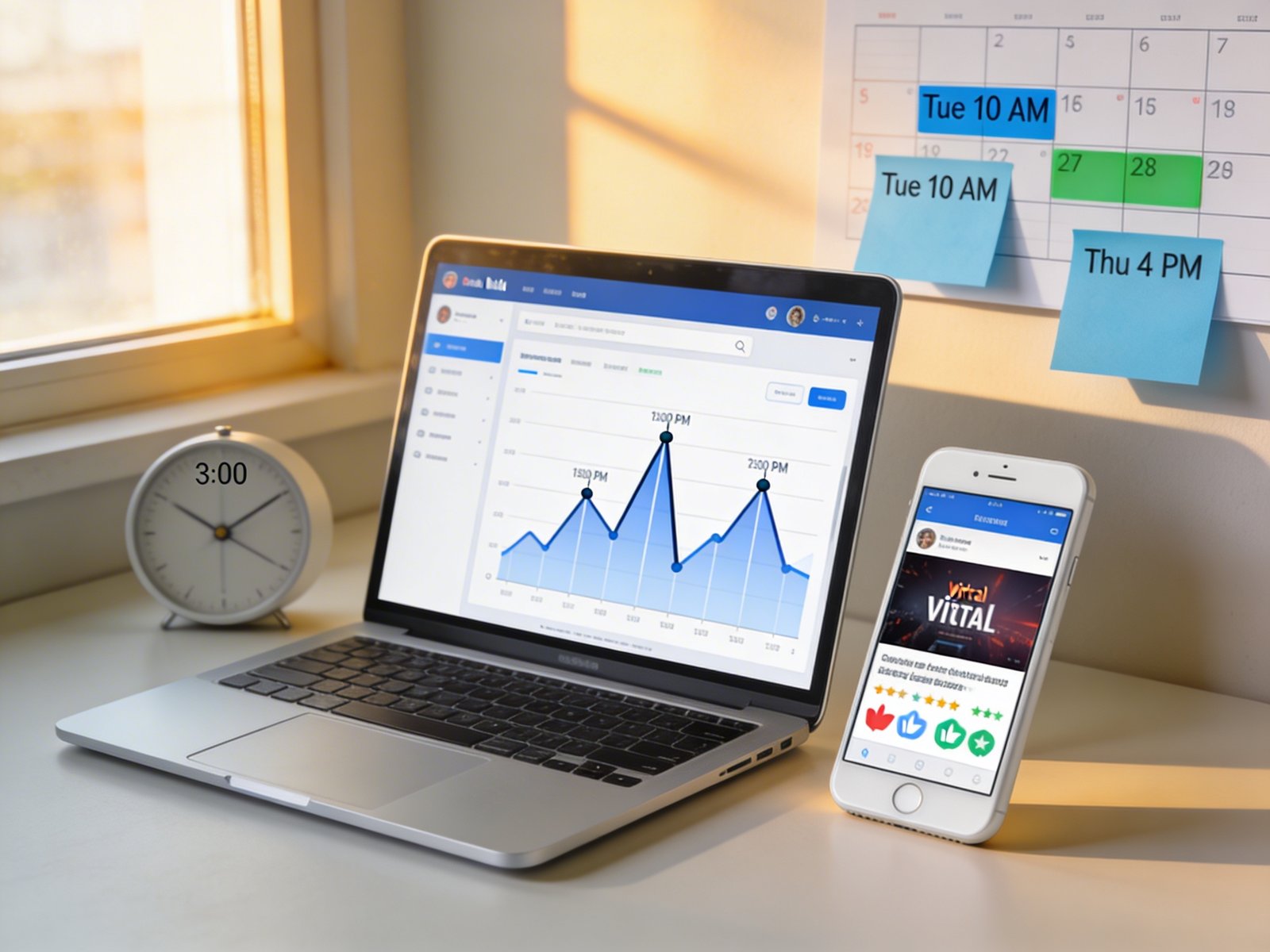
Have you ever wondered why some posts explode overnight while others barely get noticed? The truth is, timing plays a massive role in whether your content goes viral or fades into obscurity. It’s not just about creating amazing content—it’s about releasing it when the world is ready to share it.
I’ve spent years studying viral content patterns, and I can tell you that timing isn’t random. There are specific windows when people are most likely to engage, share, and talk about your content. Get the timing right, and even decent content can outperform brilliant content posted at the wrong moment.
Let’s dive into the specific timing strategies that can transform your content from forgotten to viral sensation.
Understanding Peak Engagement Windows
The first thing to know is that every platform has its own peak hours when users are most active. For Facebook, that’s typically 1-4 PM on weekdays. For Twitter, it’s 8-11 AM when people are commuting or settling into work. Instagram sees high engagement around lunch breaks (11 AM – 1 PM) and evenings (7-9 PM).
But here’s the kicker – these aren’t universal rules. Your specific audience might have completely different habits. A gaming channel might find their audience most active at midnight, while a parenting blog might see peaks at 9 PM after kids are asleep.
The key is to test different posting times and track your analytics. Most platforms provide insights showing when your followers are online. Use this data to create a posting schedule that aligns with your audience’s natural browsing patterns.
The Weekend vs. Weekday Debate
Many people assume weekends are best for viral content since people have more free time. But the data tells a different story. Weekdays often outperform weekends for several reasons.
During weekdays, people are in “consumption mode” – scrolling through feeds during breaks, commuting, or procrastinating at work. They’re actively looking for content to share with colleagues or friends. Weekends, while offering more leisure time, often see people engaging in offline activities.
However, this varies by content type. Entertainment content (funny videos, memes) often performs better on weekends when people are relaxed. Business content typically gets more traction on weekdays when people are in work mindset.
Consider creating different content strategies for weekdays versus weekends. Save your most shareable, entertaining pieces for weekend release when people have more emotional bandwidth to engage.
Seasonal Timing and Cultural Moments
Some of the best viral content rides the wave of existing cultural moments. Think about how many viral posts you’ve seen around major holidays, sporting events, or cultural phenomena. The Super Bowl, Christmas season, back-to-school time – these all create natural sharing opportunities.
The trick is to create content that taps into these moments before they peak. For example, Christmas content should start appearing in early December, not December 25th. Back-to-school content performs best in late July when parents are actually shopping.
Pay attention to trending topics and hashtags. When something big happens in the world, people search for related content. Being among the first to create relevant content can give you a massive advantage. But be careful – jumping on trends without adding value can backfire.
The 24-Hour Viral Window
Viral content typically follows a predictable pattern. The first 24 hours after posting are crucial. If your content gains traction in this window, algorithms notice and start showing it to more people. If it doesn’t, it often dies quickly.
This means you need to be strategic about your initial push. Don’t just post and hope – actively share your content with your existing network immediately after posting. Ask friends and colleagues to engage within the first few hours. The goal is to create an initial momentum that algorithms can detect.
Many successful viral posts get hundreds of shares in the first 2-3 hours. This rapid early engagement signals to platforms that your content is worth promoting to a wider audience.
Timing Around Algorithm Updates
Social media algorithms are constantly changing, and these changes can dramatically affect your content’s reach. When platforms roll out major updates, they often prioritize certain types of content or engagement patterns.
Stay informed about algorithm changes by following platform blogs and industry news. When you hear about an update, adjust your timing and content strategy accordingly. For instance, when Facebook prioritized video content, creators who quickly adapted their posting schedules to favor video saw significant gains.
Some creators even time their content releases to coincide with algorithm testing periods. Platforms often test new features or changes during off-peak hours, which can sometimes work in your favor if you’re posting during those windows.
The Long-Tail Timing Strategy
Not all viral content explodes immediately. Some pieces gain momentum slowly over weeks or months. This is especially true for evergreen content that becomes relevant again during certain seasons or events.
Create a content calendar that includes both immediate-release content and long-tail pieces. The immediate content targets current trends and events. The long-tail content is designed to resurface during relevant moments – like a “best summer recipes” post that gets shared again the following summer.
Use analytics to identify which of your older posts still get occasional traffic. These pieces might be candidates for refreshing and re-promoting during their peak seasons.
International Timing Considerations
If you have a global audience, timing becomes even more complex. Your 9 AM post in New York might be 2 AM in London and 11 PM in Tokyo. Consider creating region-specific posting schedules or using platform tools that allow for time-zone targeting.
Some creators solve this by creating different versions of their content for different regions, then scheduling them to go live at optimal times for each audience. This requires more work but can significantly increase your global reach.
The Competition Timing Factor
Pay attention to when your competitors post. If everyone in your niche posts at 9 AM on Mondays, consider posting at 11 AM or 2 PM instead. You might catch an audience that’s already consumed the morning’s content and is looking for something fresh.
Use tools like BuzzSumo to analyze when top content in your niche gets published and shared. Look for patterns and gaps in the timing that you can exploit.
Conclusion
Timing your content perfectly isn’t about finding one magic moment – it’s about understanding patterns, testing strategies, and being ready to adapt. The best viral content creators treat timing as a science, constantly analyzing data and adjusting their approach.
Start by tracking your current performance by posting time. Experiment with different schedules over several weeks. Pay attention to both immediate engagement and long-term sharing patterns. Most importantly, don’t get discouraged if something doesn’t go viral immediately – sometimes the best-timed content takes a while to find its audience.
Remember, even perfect timing won’t save bad content. Focus on creating genuinely valuable, shareable material first. Then use these timing strategies to give your best content the best chance of going viral.
The difference between content that gets 100 views and content that gets 100,000 views often comes down to timing. Master this skill, and you’ll dramatically increase your chances of creating the next viral sensation.
Frequently Asked Questions
What’s the best time of day to post on social media?
The optimal posting time varies by platform and audience. Generally, Facebook performs well between 1-4 PM on weekdays, Twitter sees peaks at 8-11 AM, and Instagram engagement is high during lunch breaks (11 AM – 1 PM) and evenings (7-9 PM). However, you should analyze your specific audience’s behavior using platform analytics for the most accurate timing.
How long does it take for content to go viral?
Most viral content shows significant traction within the first 24-48 hours. The initial 2-3 hours are crucial for building momentum. However, some content experiences delayed virality, gaining traction weeks or months after posting, especially if it aligns with seasonal events or trending topics.
Should I post the same content multiple times?
Yes, but with strategic timing. Repost your best content during different seasons, events, or when relevant topics trend. For example, a “summer fitness tips” post can be shared again the following summer. Just ensure you’re adding fresh value or context each time rather than simply reposting identical content.
How important is timing compared to content quality?
Timing and content quality work together – great content at the wrong time often fails, while decent content at the perfect time can succeed. Focus on creating high-quality, valuable content first, then use timing strategies to maximize its reach. The best results come from combining excellent content with optimal timing.
Can I schedule posts for optimal timing?
Absolutely! Most social media platforms offer scheduling tools, and third-party apps like Buffer and Hootsuite allow you to plan posts for specific times. This is especially useful for maintaining consistent posting schedules across different time zones or when you can’t be online during peak hours.
How do I know if my timing strategy is working?
Track key metrics like engagement rates, shares, and reach for posts at different times. Look for patterns in when your content performs best. Most platforms provide analytics showing when your audience is most active. A successful timing strategy will show higher engagement rates during your chosen posting windows compared to random posting times.
Should I follow trending topics for better timing?
Trending topics can provide excellent timing opportunities, but only if you can add genuine value to the conversation. Jumping on trends without meaningful contribution can damage your credibility. When a relevant trend emerges, act quickly but ensure your content offers a unique perspective or useful information.
How do time zones affect viral content timing?
If you have a global audience, time zones significantly impact your strategy. Consider creating region-specific posting schedules or using platform tools for time-zone targeting. Some creators post the same content multiple times to reach different audiences at their peak hours, though this requires more content creation effort.
What role do algorithms play in content timing?
Algorithms prioritize content that gains rapid early engagement. This means the first 24 hours are critical. Algorithms also change frequently, so staying informed about platform updates helps you adjust your timing strategy. Some creators even time posts to coincide with algorithm testing periods for potential advantages.
How far in advance should I plan my content timing?
Ideally, plan your content calendar 2-4 weeks in advance, considering seasonal events, holidays, and known industry trends. However, leave room for spontaneous content that can capitalize on unexpected trending topics. Balance planned evergreen content with flexible slots for timely, reactive posts.


Post Comment